Keeping a Small Nature Notebook on Weekend Walks
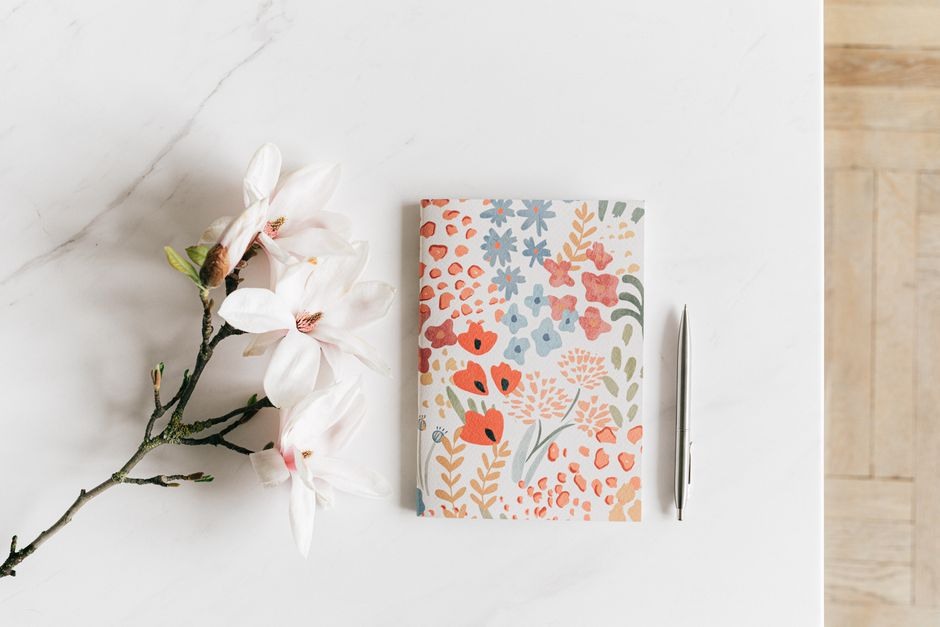
A notebook can change the character of a familiar walk. The route itself may be the same path through a park, woodland, riverside, or quiet edge of town, but writing down a few observations encourages you to look with more patience. Small differences begin to stand out: the first yellow leaves, a new patch of mushrooms, a bird call that was not there last week, or the way evening light reaches a wall at a different angle.
The practice does not need to become a formal field study. A nature notebook can be as simple as a date, a place, three sentences, and a small sketch. What matters is returning often enough that separate observations begin to connect.
A notebook that is easy to carry gets used
Choose something small enough to fit in a coat pocket or day bag. Expensive paper is unnecessary unless drawing materials require it. A pencil is useful in cold or damp weather because it is dependable, while a simple pen is perfectly good for quick notes in dry conditions.
It helps to give each walk one page or spread. Start with the date, approximate time, and weather. Those details may feel ordinary when written, but months later they provide context for everything else on the page.
Write what you can actually see
There is no need to identify every plant, bird, or insect immediately. Description is often more interesting than a rushed label. You might note a tree with silver bark, a cluster of tiny white flowers, or a bird with a short repeated call. If curiosity remains, identification can happen later with a guidebook or another reliable reference.
Colour, texture, movement, and sound are useful prompts. So are comparisons: taller than last week, fewer berries than in August, water level lower after several dry days. These observations turn a notebook into a record of change rather than a collection of isolated facts.
Sketches can be practical, not polished
A rough drawing can capture shape faster than words. The outline of a leaf, the branching pattern of a plant, the curve of a path, or the position of a cloud bank may be enough. Accuracy matters only to the extent that it helps you remember what you noticed.
If drawing feels awkward, use small diagrams instead. An arrow can show the direction of the wind, a line can mark where the river bends, and a few blocks can record how trees were grouped along the path. A notebook is a working object, not an exhibition.
Return to the same places
Repeated walks are where the notebook becomes most rewarding. A dramatic landscape is easy to remember; the subtle transformation of an ordinary place is easier to miss. By revisiting one path through spring, summer, autumn, and winter, you begin to see its cycles.
Over time, the pages form a personal calendar. The first warm evening, the week when a certain tree changed colour, the return of swallows, the smell of wet soil after a dry spell—none of these details is large on its own. Together they create a textured record of a place and of the attention you gave it.
The notebook does not need to make every walk productive. Some days may produce one line; others may fill several pages. The value is in noticing, and in having somewhere quiet to keep what you noticed.