A Calm Checklist for Packing a Small Park Picnic
A step-by-step method for assembling a compact, low-fuss picnic for one or two—common packing mistakes and easy corrections to keep food fresh and the outing relaxed.
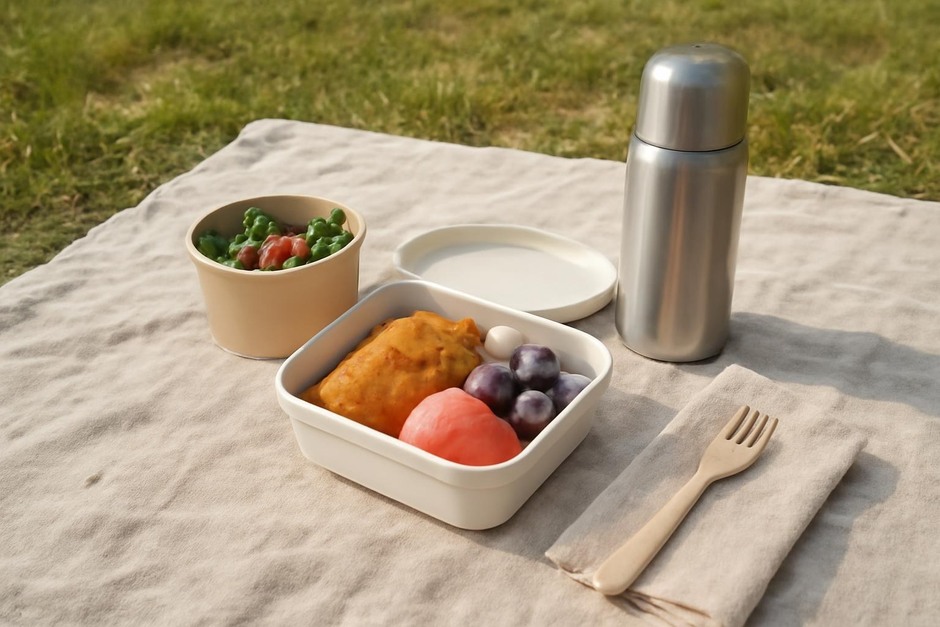
A small picnic is an opportunity to slow down with good food and a patch of sky. This guide offers a calm, practical checklist to pack a picnic for one or two people, followed by variations and a troubleshooting section that addresses common mistakes and how to correct them without fuss.
Step-by-step method
- Choose a compact carrier: Use a tote, a small cooler bag, or a backpack with an insulated compartment. Common mistake: picking an oversized bag and filling it haphazardly. Correction: limit yourself to a single bag and lay out items before packing to keep it compact.
- Select a base food that travels well: Pick one main element that doesn’t need reheating—examples: a simple sandwich, grain salad, or a cold quiche slice. Common mistake: bringing something that requires precise temperature control. Correction: choose foods that are safe at ambient temperatures for a few hours or use an insulated container.
- Add two complementary items: Pack one fresh element (fruit, sliced vegetables) and one preserved element (olives, pickles, nuts). Common mistake: overpacking multiple perishable items. Correction: balance perishables with shelf-stable items to reduce waste and spoilage.
- Use small, flat containers: Shallow containers stack neatly and reduce wasted space. Common mistake: using deep jars that wobble. Correction: transfer items into shallow boxes or wrap with a beeswax wrap for compactness.
- Bring minimal utensils and cloth: One reusable plate or bowl, a single set of cutlery, a cup, and a small cloth or napkin suffice. Common mistake: carrying heavy dishes. Correction: choose lightweight alternatives—bamboo, stainless steel, or a tightly folded picnic cloth.
- Pack a small cutting/serving board: A thin wooden board works double-duty. Common mistake: forgetting a knife or surface to assemble food. Correction: tuck a compact utility knife or multi-tool into the bag.
- Include a thermal element when needed: A small frozen gel pack or a vacuum-insulated bottle for hot drinks keeps temperatures stable. Common mistake: assuming a cooler bag alone is enough on warm days. Correction: freeze a bottle of water to act as both hydration and cooling.
- Organize by accessibility: Place items you’ll use first—blanket, utensils, napkin—on top. Common mistake: digging for the blanket once you arrive. Correction: pack the blanket or mat on the outside or in a separate pouch.
- Keep trash and compost in mind: Bring a small foldable bag for waste and a resealable bag for compostable scraps. Common mistake: leaving litter behind. Correction: plan to leave the space cleaner than you found it—this simplifies packing and unpacking.
- Do a quick checklist before leaving: Look for keys, phone, wallet, waste bag, and any perishable items you don’t want to leave in the sun. Common mistake: leaving a container behind on a bench. Correction: pause for 30 seconds to scan the bag and re-check the scene.
Variations
- Solo mindful picnic: One main portable bowl (like grain salad), a piece of fruit, herbal tea in a thermos, and a small notebook. Spread out a compact blanket and bring a light sweater to sit comfortably.
- Two-person shareable picnic: Two open-faced sandwiches or a shared tart, a jar of olives, a small loaf or crackers, and two cups. Use two shallow containers so everyone can serve themselves without extra utensils.
- Rain-shelf picnic: Pack in waterproof containers and include a packable umbrella or rain poncho. Choose foods that do not get soggy easily—cheese, cured meats, apples, and sturdy crackers.
- Hot-weather light picnic: Use insulated bottles, freeze a water bottle to act as a cooling pack, and prioritize citrus, grapes, and leafy salads dressed lightly just before eating.
- Vegetarian/vegan friendly: Focus on hummus, roasted vegetables, marinated tofu or tempeh slices, fresh herbs, and grain salads that remain flavorful at room temperature.
Troubleshooting and common mistakes
- Problem: Food feels warm and limp halfway through. Fix: Repack next time with an additional frozen bottle or gel pack; choose sturdier foods (roasted root vegetables, cheeses with firmer texture) for warm days.
- Problem: Bread turns soggy from wet fillings. Fix: Keep wet elements separate and assemble on-site, or use sturdier bread like a baguette, ciabatta, or wraps that resist moisture.
- Problem: Too many mismatched containers and no space. Fix: Standardize container sizes and use shallow, stackable boxes. Lay everything out before packing to decide if any item is unnecessary.
- Problem: No place to sit or the ground is damp. Fix: Pack a thicker blanket or a waterproof groundsheet; a foam pad or two folded into the bag solves dampness quickly.
- Problem: Sticky fingers, sand, or ants. Fix: Bring wet wipes and a small dish of water for rinsing hands. Keep sweet items sealed until ready to eat and use a small weight (stone, jar) to hold napkins down on breezy days.
- Problem: You forgot an essential utensil. Fix: Keep a compact kit (one fork, one spoon, one knife) or a multi-tool in your picnic bag so it’s always ready to go.
Packing a small picnic is mostly about restraint and a short pre-flight check. With a compact carrier, a reliable main item, and a couple of thoughtful extras, you can turn a patch of grass into a calm, satisfying meal outside.